
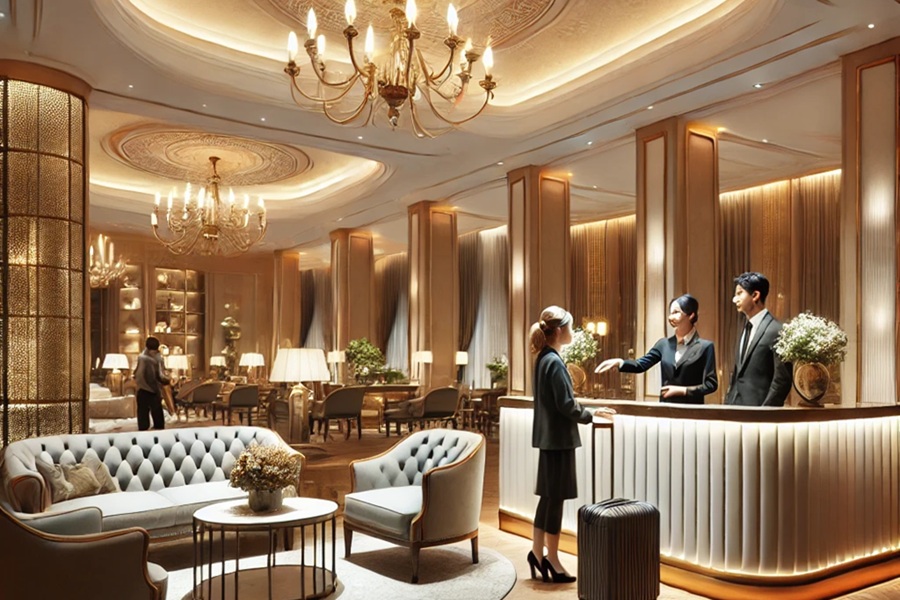
Introduction: Where Hospitality Meets Lifestyle
In the world of travel, few elements shape a journey more profoundly than where one chooses to stay. Hotels and resorts are not merely shelters; they are immersive environments that reflect cultural richness, architectural innovation, and the evolving desires of global wanderers. Whether it’s a chic city hotel designed for modern convenience or a luxurious resort offering full sensory indulgence, these spaces form the backdrop to cherished memories, milestone moments, and transformative experiences. Today’s hotels and resorts are redefining what it means to travel—not just as a change of place, but as a change of state.
A Historical Perspective: From Inns to Icons
The concept of hospitality dates back millennia, with early travelers seeking refuge in roadside inns, caravansaries, and guesthouses. In ancient Rome, tabernae offered weary souls a bed and a meal. During the Middle Ages, monasteries provided lodging to pilgrims. Yet, the hotel as we know it began to take shape in the 18th and 19th centuries with the rise of international commerce, tourism, and rail travel.
By the 20th century, grand hotels had become symbols of sophistication. Legendary properties such as The Plaza in New York and Hotel Ritz in Paris introduced the world to a new standard of elegance. These were more than places to stay—they were destinations in their own right, epitomizing grace, refinement, and cosmopolitan life.
Understanding the Distinction: Hotels vs. Resorts
Although the terms are often used interchangeably, hotels and resorts serve distinct purposes, catering to different needs and experiences.
-
Hotels are typically urban-centric, catering to business travelers, tourists, and short-term guests. They emphasize efficiency, location, and quality service.
-
Resorts, by contrast, are destinations unto themselves. Usually located in natural or scenic environments, they offer a more comprehensive experience—one that blends accommodation with recreation, relaxation, and rejuvenation.
Understanding this distinction allows travelers to make more informed choices, tailoring their stay to the intent of their journey.
The Rise of Experiential Travel
In today’s hyper-connected world, travelers are no longer satisfied with generic lodging. They seek places that inspire, reflect local identity, and offer immersive experiences. Hotels and resorts have responded by crafting narratives around their brand—stories told through architecture, cuisine, service, and cultural engagement.
Key Trends Shaping the Modern Hospitality Experience:
-
Personalization: From pillow menus to customized welcome amenities, personalized service is no longer a luxury—it’s an expectation.
-
Design-Driven Spaces: Aesthetics now play a central role. Guests seek out Instagram-worthy interiors, art installations, and thoughtful design details that create a sense of place.
-
Sustainability: Eco-conscious travelers gravitate toward green properties—those employing energy-efficient practices, reducing waste, and supporting local communities.
-
Wellness Integration: Spas, fitness centers, yoga retreats, and wellness cuisine are now staples, not extras, in the world’s best hotels and resorts.
Boutique Hotels: Intimate, Artful, Distinct
Boutique hotels have carved out a niche by prioritizing individuality over scale. These smaller, independently operated properties often feature fewer than 100 rooms and are known for their character, charm, and personalized service.
Guests staying at boutique hotels often enjoy:
-
Unique themes or concepts inspired by local culture or art movements
-
Close interaction with staff and even owners, resulting in a more personalized stay
-
Stylish interiors that feel more like a designer home than a commercial space
-
Curated experiences such as neighborhood tours, chef-led dinners, and artisanal workshops
Boutique hotels cater to travelers who prefer meaningful experiences over mass-market luxury. They are ideal for solo adventurers, couples, and those looking for an unconventional escape.
Resorts: A World Within a World
Unlike hotels that function within the fabric of a city, resorts are built to be self-contained experiences. From lush tropical enclaves to mountain-side chalets, resorts offer everything a guest could need—making it tempting never to leave the property.
Essential Elements of a Luxury Resort:
-
Expansive Grounds: Beautifully landscaped areas, often incorporating nature trails, private beaches, or scenic vistas
-
All-Inclusive Packages: Meals, drinks, activities, and entertainment bundled into the stay for stress-free indulgence
-
Exclusive Amenities: Private pools, butler service, spa treatments, and curated excursions
-
Gastronomic Excellence: Signature restaurants led by renowned chefs, often featuring local ingredients and regional recipes
Whether it’s a wellness retreat in Costa Rica, a ski-in/ski-out lodge in the Alps, or a beachfront villa in the Seychelles, resorts offer a curated version of paradise—crafted for deep relaxation and sensory engagement.
Technology Meets Tradition
One of the most significant shifts in modern hospitality is the seamless integration of technology. From app-based check-ins to AI-assisted room customization, hotels and resorts are leveraging digital tools to enhance the guest experience.
Tech Innovations Transforming Hospitality:
-
Smart rooms with voice-activated controls for lighting, temperature, and entertainment
-
Mobile concierge services that provide recommendations and reservations in real-time
-
Virtual and augmented reality previews of rooms or destinations prior to booking
-
Data-driven personalization to anticipate and meet guest preferences more accurately
Despite these advancements, the industry faces a delicate balance: maintaining the warmth and authenticity of human interaction while embracing the convenience of automation. The most successful establishments are those that blend tech-savvy solutions with genuine hospitality.
The Future of Hotels and Resorts: Purpose-Driven Hospitality
As travelers become more intentional about how and where they spend their time, the hospitality industry must adapt. It’s no longer enough to be beautiful or luxurious; properties must also be meaningful.
Emerging Directions:
-
Regenerative Travel: Going beyond sustainability, regenerative travel seeks to improve the environment and local communities rather than simply preserve them.
-
Hyperlocal Experiences: Collaborations with local artisans, chefs, musicians, and farmers provide guests with a richer cultural immersion.
-
Work-from-Hotel Models: Remote professionals are redefining travel habits, prompting hotels to offer extended-stay packages with co-working amenities.
-
Emotional Design: Spaces are being curated to evoke emotional resonance—through lighting, scent, texture, and spatial flow.
Conclusion: The Soul of the Stay
Hotels and resorts are more than places to sleep—they are vessels of imagination, comfort, and inspiration. At their finest, they offer a rare combination of the familiar and the extraordinary, making guests feel both at home and completely transported. As the lines between travel, work, leisure, and lifestyle continue to blur, the most successful properties will be those that evolve with grace—offering more than just luxury, but meaning.
In the end, what defines a remarkable hotel or resort is not just what’s seen in its brochure or posted on social media, but how it makes you feel long after you leave. And that, more than anything, is the true art of hospitality.


