
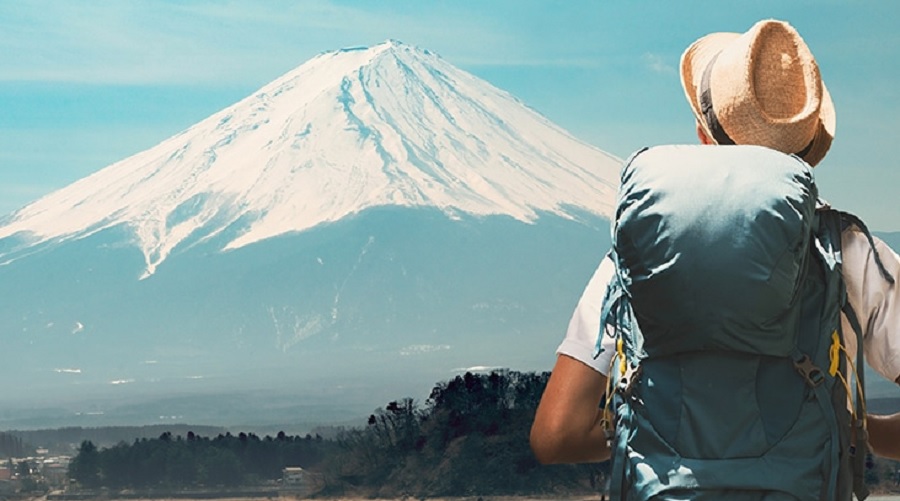
Introduction: Travel as a Human Instinct
From the earliest days of civilization, humans have felt a deep, almost instinctual pull to move beyond the boundaries of the familiar. Long before travel became an industry or a hobby, it was a necessity—rooted in survival, trade, and curiosity. Today, though our reasons for traveling have evolved, the essence remains the same: a longing to explore the unknown, to experience the richness of the world, and to rediscover ourselves along the way.
Travel is not simply a matter of going from one place to another. It is a curated experience—one that brings together landscapes, people, cultures, and emotions in a way few other pursuits can. When done with intention, it becomes a form of art and a journey of both outer and inner transformation.
The Emotional Geography of Travel
Every journey begins not with a ticket or a suitcase, but with a feeling—a whisper of restlessness, a flicker of curiosity, or a need to reconnect with something greater than the everyday. Travel awakens our senses and opens emotional pathways we might not have known existed.
The Emotional Benefits of Traveling:
-
Renewed Perspective: Travel disrupts routine and reminds us that there are countless ways to live a life.
-
Emotional Clarity: Time away from familiar surroundings often brings clarity about one’s values, relationships, and goals.
-
Creative Inspiration: New environments stimulate creativity, often offering fresh solutions to long-standing problems.
While guidebooks highlight destinations, it is often the feelings stirred by a moment—a quiet sunset, a shared smile with a stranger, the hush of a sacred space—that define the trip.
The Intellectual Richness of Exploring Cultures
True travel isn’t about collecting passport stamps; it’s about engaging with the unfamiliar and allowing it to change you. Every culture holds a unique worldview, shaped by centuries of tradition, struggle, and triumph. Immersing oneself in a foreign culture is like reading a living novel, where the streets, food, language, and gestures all tell a story.
Lessons Only Travel Can Teach:
-
Historical Context: Walking through ancient ruins or standing in historic squares brings history to life in a way no classroom ever could.
-
Linguistic Nuance: Even the effort to speak a few words in the local language reflects respect and often opens doors to genuine interactions.
-
Cultural Sensitivity: Observing and adapting to different customs nurtures humility and empathy—qualities increasingly vital in a globalized world.
The more we travel, the more we realize how much there is to learn—and how little we truly know.
The Joy of Discomfort: How Travel Shapes Character
In an era that values comfort and convenience, travel introduces an essential counterpoint: productive discomfort. Getting lost in a maze-like market in Fez, navigating language barriers in Tokyo, or enduring a delayed train in rural Italy—all these moments, though challenging, contribute to personal growth.
Character-Building Aspects of Travel:
-
Resilience: Managing unexpected setbacks builds emotional strength.
-
Adaptability: Learning to be flexible and open to change is a skill refined through travel.
-
Patience: Not everything will go according to plan, and that’s part of the beauty.
Travel reminds us that life is, by nature, unpredictable. And it’s often in the unpredictable that we find the most profound joy.
The Beauty of Slow Travel: Presence Over Pace
In a culture that idolizes efficiency and speed, the concept of slow travel is almost revolutionary. Rather than rushing through five cities in a week, slow travel advocates for depth over breadth—immersing fully in one place, savoring its rhythm, and engaging with its soul.
Principles of Slow, Meaningful Travel:
-
Stay Longer, Go Deeper: Spend more time in fewer places to build authentic connections.
-
Engage Locally: Choose local accommodations, dine where the locals eat, and participate in community events.
-
Be Fully Present: Put the phone down. Walk without a map. Let serendipity guide you.
By slowing down, we begin to notice the little things—the old man sweeping his stoop, the scent of fresh bread wafting from a bakery, the way the light falls on a centuries-old wall. And in those small moments, the essence of travel reveals itself.
Responsible Travel: A Moral Imperative
As the global tourism industry grows, so does the responsibility of the traveler. Ethical travel is no longer a niche concept—it is a necessary approach to ensure that the places we love are preserved and respected for generations to come.
Steps Toward Responsible Exploration:
-
Minimize Environmental Impact: Reduce single-use plastics, use public transport, and respect nature.
-
Support Local Economies: Opt for locally owned accommodations, restaurants, and guides.
-
Respect Cultural Norms: Dress appropriately, ask before taking photos, and seek permission before entering sacred spaces.
When we travel responsibly, we acknowledge that we are guests—and that true hospitality is mutual.
Coming Home Changed: The Journey’s Quiet Legacy
Every journey eventually ends. Yet the most meaningful travels never truly leave us. They linger in the way we perceive the world, the choices we make, and the stories we tell. The return home often carries with it a gentle dissonance—a feeling that everything is the same, yet something within us has shifted.
The Lasting Impact of Travel:
-
A Broadened Outlook: We return more tolerant, more open, and more aware of our shared humanity.
-
Rekindled Appreciation: Experiencing life elsewhere often renews our love for the familiar comforts of home.
-
A Lifelong Curiosity: With each trip, the world becomes both smaller and more fascinating.
Travel, ultimately, is not about escape. It is about connection—connection to place, to people, and most importantly, to ourselves.
Conclusion: Travel as a Life Philosophy
In a world that often urges us to stay the course, travel encourages detours. It reminds us that beauty lies in difference, that learning never ends, and that the most meaningful journeys are the ones that open our hearts as much as our eyes.
To travel is to live with intention—to walk unfamiliar roads not just to see the world, but to understand our place within it. Let us travel not to accumulate, but to evolve. For in the end, the best journeys are those that bring us home more whole than when we left.
So, pack your sense of wonder, your patience, and your respect for the unknown. The world awaits—and so does a better version of yourself.


