
Introduction: More Than Just a Place to Stay
The words “hotel” and “resort” may conjure images of plush beds, sparkling pools, and elegant lobbies, but to stop there would be to overlook their deeper purpose. These establishments are far more than temporary accommodations—they are the stage for memorable experiences, the bridge between cultures, and the backdrop to some of life’s most significant moments. Whether tucked into a quiet hillside or anchored in the heart of a thriving metropolis, hotels and resorts represent the intersection of comfort, service, and storytelling.
From Shelter to Sophistication: A Brief History
Hospitality is one of humanity’s oldest practices. Ancient travelers relied on roadside inns and guesthouses for rest, often offered freely by strangers in the name of goodwill. As commerce, tourism, and transportation advanced, these modest shelters evolved into sophisticated operations. The 19th century marked a golden age of grand hotels, with iconic properties like The Ritz in Paris and The Waldorf Astoria in New York establishing new standards for luxury and elegance. They weren’t just places to sleep; they were social epicenters, showcasing the height of fashion, cuisine, and design.
Defining the Difference: Hotel vs. Resort
Though the terms are sometimes used interchangeably, there are important distinctions between hotels and resorts.
-
Hotels are typically located in urban or transit-centric areas and cater to both business and leisure travelers. They focus on convenience, comfort, and service, offering essentials like restaurants, fitness centers, and meeting spaces.
-
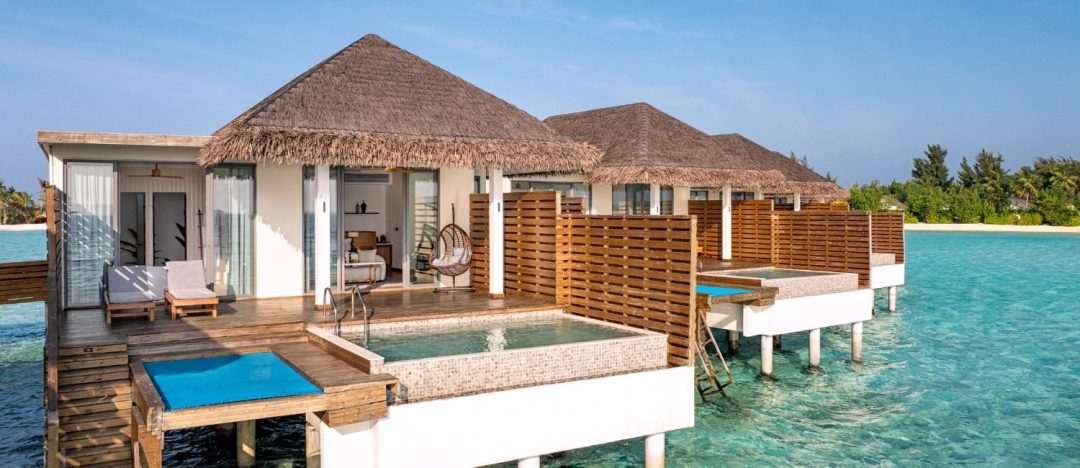
Resorts are destination properties designed for longer stays and complete immersion. Often situated in scenic locales, they offer a full array of amenities—from spas and golf courses to guided excursions and kids’ clubs.
While both share a foundation of hospitality, their purposes and guest expectations differ significantly.
Modern Hospitality: Expectations and Experiences
The hospitality landscape has changed dramatically in recent years. Guests today are more informed, more discerning, and more focused on value—not just financial, but experiential.
What Modern Travelers Seek:
-
Authenticity: Travelers crave meaningful connections to the places they visit. They prefer accommodations that reflect local character through design, cuisine, and storytelling.
-
Wellness and Sustainability: Health-conscious guests appreciate wellness offerings such as yoga classes, organic dining, and spa treatments. Sustainability has also moved from trend to necessity, with guests expecting eco-friendly practices.
-
Technology and Convenience: From mobile check-ins to smart room controls, technology enhances comfort while streamlining the guest experience.
-
Personalized Service: The best hotels and resorts excel at anticipating needs. Thoughtful gestures—a favorite drink waiting at the bar or a tailored pillow selection—leave lasting impressions.
The Boutique Hotel Boom
In contrast to large chain properties, boutique hotels offer distinct personality and intimacy. Typically smaller in scale, these hotels emphasize design, originality, and a curated guest experience. Rather than standardized décor, boutique properties embrace bold, artistic interiors and often highlight local artists or craftsmen.
Boutique hotels are particularly appealing to solo travelers, couples, and digital nomads seeking something off the beaten path. Many are located in renovated historic buildings, adding charm and character to their appeal. Their limited room numbers allow staff to provide more attentive, individualized service, fostering a sense of community and belonging.
Resorts: Crafting a World Within a World
Resorts, by nature, are about immersion. Whether it’s a beachfront paradise, a snowy alpine retreat, or a desert oasis, a well-designed resort offers an all-encompassing experience. Guests are encouraged to stay on property, indulging in a carefully crafted balance of activity and relaxation.
Signature Features of Premier Resorts:
-
All-Inclusive Luxury: Many resorts offer packages covering meals, drinks, and activities, removing the stress of planning and budgeting.
-
Tailored Experiences: From scuba diving and wine tastings to guided nature hikes, resorts provide curated experiences that reflect their surroundings.
-
Design Harmony: The best resorts blend seamlessly with their environments, using local materials and honoring traditional architecture.
-
Wellness & Rejuvenation: On-site spas, wellness programs, and healthy dining options support the modern traveler’s desire to return home restored.
The Role of Architecture and Atmosphere
A hotel or resort’s physical design is about more than aesthetics—it sets the tone for the guest experience. Grand staircases, ambient lighting, tranquil courtyards, and panoramic views all play a part in building an emotional connection with guests.
Many luxury properties now collaborate with renowned architects and interior designers to craft unique spaces that reflect a strong sense of place. In turn, these settings become part of the travel memory, leaving an indelible impression that transcends mere visuals.
Technology Meets Tradition
While technology has reshaped many aspects of hospitality, the human element remains irreplaceable. Successful properties integrate innovation without sacrificing warmth.
-
Contactless Services: Apps for check-in, keyless room entry, and concierge requests offer ease and efficiency.
-
Smart Room Features: Lighting, climate, and entertainment can be controlled with a smartphone or voice assistant.
-
Data-Driven Personalization: Frequent guests enjoy tailor-made services based on their preferences and past behavior.
Still, even the most cutting-edge technology cannot substitute for genuine care, intuition, and human connection—the hallmarks of exceptional service.
Looking Ahead: The Future of Hotels and Resorts
The future of hospitality lies in adaptive, sustainable, and guest-centric practices. As global travelers seek deeper meaning from their journeys, hotels and resorts must evolve to meet these aspirations.
Emerging Trends:
-
Eco-Luxury: Properties that prioritize conservation without compromising comfort will stand out.
-
Cultural Immersion: Guests will increasingly expect access to local customs, cuisine, and community.
-
Remote Work Integration: As remote work becomes the norm, hotels are designing “workation” packages with high-speed internet, private workspaces, and extended stay incentives.
-
Holistic Travel: From mindfulness retreats to digital detox programs, the focus is shifting toward total well-being.
Conclusion: Hospitality as an Art and a Calling
At their best, hotels and resorts are more than well-run businesses—they are keepers of moments, architects of joy, and stewards of place. They serve not just the body with rest and comfort, but the spirit with discovery, beauty, and connection. As travelers continue to evolve, so too will the art of hospitality, always striving to provide not just a bed for the night, but an experience that lingers long after the bags are unpacked.


