
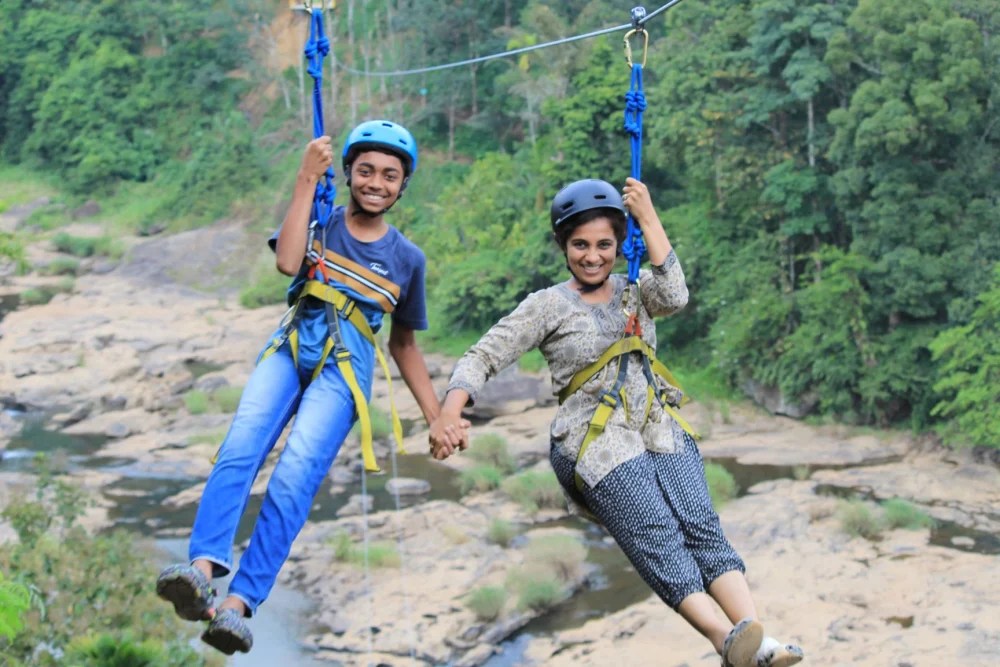
Adventure is an intrinsic part of the human experience, a calling that stirs the soul and beckons us toward the unknown. Whether it’s a physical expedition into uncharted wilderness or an emotional plunge into the depths of self-discovery, adventure manifests in myriad forms, each rich with the potential to transform. In a world increasingly shaped by comfort and convenience, the allure of adventure endures—reminding us of the raw, unfiltered vitality that comes with stepping beyond the familiar.
Understanding Adventure: More Than Just Thrills
At its core, adventure transcends the stereotypical notion of adrenaline-fueled escapades. It embodies the spirit of exploration, the hunger for novelty, and the courage to face uncertainty. While for some, adventure might mean scaling daunting mountains or traversing remote jungles, for others, it can be equally profound to embark on intellectual or emotional quests that challenge preconceived notions and expand horizons.
Adventures can be:
-
Physical: Hiking remote trails, sailing vast oceans, or trekking through deserts.
-
Emotional: Navigating complex relationships or overcoming personal fears.
-
Intellectual: Pursuing new knowledge, learning unfamiliar skills, or engaging with different cultures.
-
Spiritual: Seeking deeper meaning through meditation, pilgrimage, or moments of profound introspection.
The richness of adventure lies in its ability to be personalized. It demands only that we embrace the unknown with openness and a willingness to grow.
The Psychology Behind the Call to Adventure
Why do humans crave adventure? Psychology offers compelling insights. The human brain thrives on novelty; new experiences stimulate the release of dopamine, the neurotransmitter associated with pleasure and motivation. Adventure satisfies this craving for newness, offering both challenge and reward.
Moreover, adventure cultivates resilience. Facing unpredictable situations forces adaptability, resourcefulness, and mental toughness. It teaches us to navigate discomfort and uncertainty—qualities that serve us well beyond the realm of adventure itself.
The Transformative Power of Adventure
One of the most compelling aspects of adventure is its capacity to foster profound personal transformation. By stepping out of our comfort zones, we confront the limits of our abilities and beliefs, which often results in meaningful growth.
Key transformative impacts include:
-
Enhanced Self-Awareness: Adventures prompt reflection on one’s strengths, weaknesses, and values.
-
Increased Confidence: Overcoming challenges builds a deep sense of accomplishment.
-
Broadened Perspective: Exposure to different environments and cultures nurtures empathy and understanding.
-
Emotional Release: Adventure can act as a cathartic process, freeing us from stress and stagnation.
The Role of Adventure in Modern Life
In the contemporary world, where much of our existence is mediated by technology and routine, adventure holds renewed significance. It offers a counterbalance to the monotony of daily life and the virtual worlds we often inhabit.
Adventurous experiences can:
-
Reignite Creativity: Novel environments inspire fresh ideas and innovation.
-
Improve Mental Health: Engaging with nature and physical activity reduces anxiety and depression.
-
Strengthen Relationships: Shared adventures forge deeper bonds and collective memories.
-
Promote Mindfulness: Immersing oneself fully in new experiences cultivates presence and appreciation.
Types of Adventures to Consider
Not all adventures require grandiosity or expense. Here are varied forms of adventure accessible to many:
1. Solo Travel
Traveling alone encourages self-reliance and deep introspection. It pushes one to navigate unfamiliar situations independently, often leading to unexpected connections and insights.
2. Cultural Immersion
Living or traveling within a different culture challenges assumptions and broadens worldviews. Participating in local traditions, sampling cuisine, and learning a new language create enriching adventures.
3. Outdoor Exploration
From hiking to kayaking, outdoor adventures reconnect us with nature’s rhythms. They test physical endurance and inspire awe at the natural world’s grandeur.
4. Creative Pursuits
Diving into new artistic or intellectual challenges—writing, painting, learning an instrument—can be an adventure of the mind, exploring uncharted creative territories.
5. Volunteering Abroad
Combining travel with purpose, volunteering in foreign communities offers meaningful engagement and challenges that reshape perspectives.
Preparing for Adventure: Mindful Readiness
Adventure, by nature, involves risk and unpredictability. Preparation enhances safety and enjoyment without diluting the essence of the unknown.
Considerations include:
-
Research: Understanding terrain, culture, and potential hazards.
-
Physical Preparation: Conditioning the body for expected demands.
-
Mental Readiness: Cultivating patience, adaptability, and resilience.
-
Minimalism: Packing light and focusing on essentials to allow freedom.
-
Open Mindset: Embracing uncertainty as part of the journey.
Adventure as a Lifelong Pursuit
Adventure need not be confined to youth or extraordinary feats. It is a lifelong pursuit, evolving with one’s circumstances and aspirations. The spirit of adventure lies in continual curiosity, the refusal to become complacent, and the desire to engage deeply with life.
Final Reflections: Embracing the Call
Adventure is a vital thread woven into the fabric of human existence. It invites us to embrace discomfort, challenge, and novelty—not as threats, but as opportunities to expand, deepen, and enliven our lives. In answering the call to adventure, we awaken to the richness of experience, the depths of our own capacities, and the infinite beauty of the world around us.
To live adventurously is to live fully, with eyes wide open and heart unguarded, ready to greet whatever the journey holds. Whether scaling a mountain, exploring a new idea, or simply daring to change a habit, adventure beckons us all—waiting to transform the mundane into the extraordinary.


