
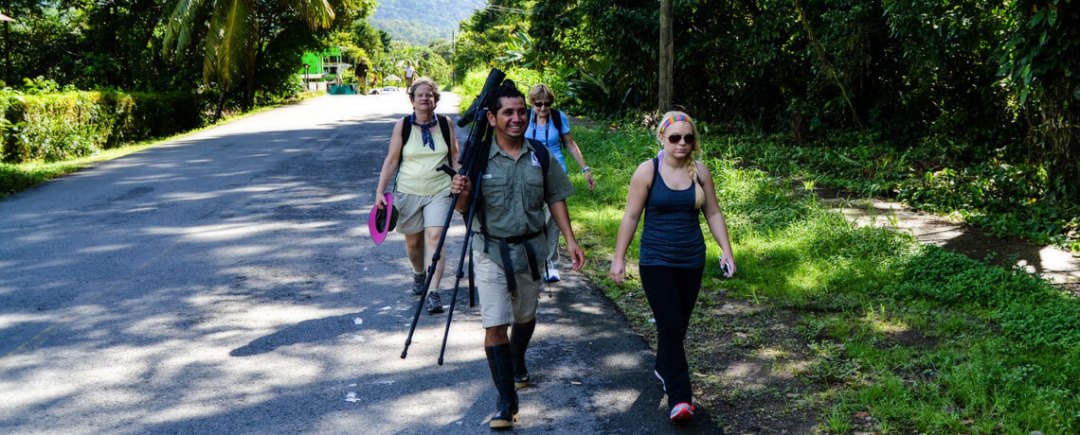
Introduction: A Passport to Human Heritage
In an age when travel is more accessible than ever, the allure of culture tours has risen dramatically. No longer content with mere sightseeing, modern travelers crave immersion. They seek stories etched in stone, whispered in alleyways, painted on ancient walls, and sung in forgotten dialects. Culture tours offer precisely that: a bridge between the contemporary traveler and the timeless essence of civilizations. Far beyond mere vacations, these journeys invite introspection, understanding, and often, transformation.
What Are Culture Tours?
Culture tours are carefully curated travel experiences that immerse participants in the heritage, traditions, arts, and customs of a specific region or people. Unlike conventional tourism, which may prioritize leisure and luxury, culture tours delve deeper into the heart of a destination. They are as much about people and their stories as they are about landmarks and museums.
Key Features of Culture Tours:
-
Visits to historical sites and monuments
-
Interaction with local communities
-
Traditional culinary experiences
-
Exploration of music, dance, and art forms
-
Opportunities to witness or participate in cultural festivals
-
Expert-guided storytelling and interpretation
Such tours may span ancient civilizations like Egypt or Greece, Indigenous traditions in the Americas, or the rich dynastic heritage of East Asia. Regardless of the destination, the underlying goal remains the same: authentic engagement.
Why Culture Tours Matter in a Globalized World
In a world increasingly connected by technology yet divided by misunderstandings, culture tours serve as an antidote to superficial travel and cultural isolation. They foster empathy, curiosity, and an informed appreciation of diversity.
Here’s why culture tours are more relevant than ever:
-
Combatting Cultural Stereotypes: Experiencing a culture firsthand challenges preconceived notions. Listening to a local artisan explain their craft or dining in a family home creates nuanced understanding.
-
Preserving Intangible Heritage: Many cultural traditions are fading. Culture tours that support local communities can play a role in sustaining languages, art forms, and crafts that might otherwise vanish.
-
Promoting Responsible Tourism: Unlike mass tourism, culture tours are usually small-scale and sustainable, benefiting local economies while minimizing environmental and cultural disruption.
-
Enriching Personal Identity: Interacting with a culture different from one’s own often triggers reflection. Travelers not only gain insights into others but into themselves—how they live, what they value, and who they aspire to be.
Destinations That Sing with Culture
While every destination has cultural elements worth exploring, some places stand out for their vibrancy and depth. Here are a few remarkable cultural tour destinations:
1. Kyoto, Japan
Once the imperial capital, Kyoto is a living museum of Japanese culture. With its ancient temples, serene gardens, geisha districts, and tea ceremonies, it offers a journey into a world where elegance and tradition reign.
2. Fez, Morocco
A labyrinthine city with medieval architecture and bustling souks, Fez offers a glimpse into the heart of Islamic and Berber traditions. Travelers can observe ancient tanneries, listen to Andalusian music, and witness the craft of intricate mosaic-making.
3. Oaxaca, Mexico
Rich in indigenous heritage, Oaxaca’s culture tour is a feast of flavors, colors, and rituals. Visitors can learn about Zapotec traditions, participate in Day of the Dead ceremonies, and indulge in mole recipes handed down for generations.
4. Rajasthan, India
The desert state of Rajasthan brims with history—its palaces, forts, and havelis are the backdrop for tales of valor and romance. Folk music, puppet shows, and elaborate festivals animate this storied land.
5. Tuscany, Italy
Beyond its landscapes and wines, Tuscany is a cultural treasure trove. A guided tour here often includes Renaissance art, Etruscan ruins, medieval towns, and conversations with local artisans keeping centuries-old techniques alive.
Crafting the Perfect Culture Tour Experience
An enriching cultural journey doesn’t happen by chance. It requires thoughtful planning and a mindset attuned to discovery. Here’s how to ensure your experience is both meaningful and respectful:
1. Choose Local and Ethical Tour Operators
Seek out companies that hire local guides, respect heritage sites, and contribute directly to community development.
2. Embrace the Unfamiliar
Culture tours often challenge comfort zones. Be open to new foods, different etiquettes, and unfamiliar belief systems. That’s where the learning lies.
3. Do Your Homework
Read about the destination’s history, culture, and current social context. Understanding the basics enhances appreciation and reduces the risk of faux pas.
4. Ask Questions, Listen Deeply
The heart of cultural immersion lies in human connection. Whether you’re talking to a temple priest or a street vendor, genuine curiosity fosters enriching exchanges.
5. Leave a Light Footprint
Respect sacred spaces, avoid exploitative photography, and be mindful of your environmental impact. Authentic connection never comes at the cost of exploitation.
The Future of Culture Tours: Technology Meets Tradition
As the world changes, so too do culture tours. Technology is enabling more interactive and inclusive experiences. Augmented reality allows ancient ruins to come to life, while digital storytelling platforms preserve oral histories. Simultaneously, there’s a growing demand for tours that highlight marginalized voices—women’s histories, indigenous narratives, and postcolonial perspectives.
This evolution ensures that culture tours remain not just relevant, but vital in shaping a more informed and interconnected global citizenry.
Conclusion: Traveling Inward Through the World
Culture tours are not merely about destinations—they are about depth. They strip away the gloss of surface-level tourism and reveal the texture of humanity: its triumphs, traditions, and timeless tales. By walking through the alleyways of ancient towns, breaking bread with strangers, and listening to the rhythms of forgotten songs, we do more than travel.
We bear witness. We learn. We grow.
In the end, the most profound journeys are those that bring us home—not just to a place, but to a richer, wiser understanding of the human spirit.


