
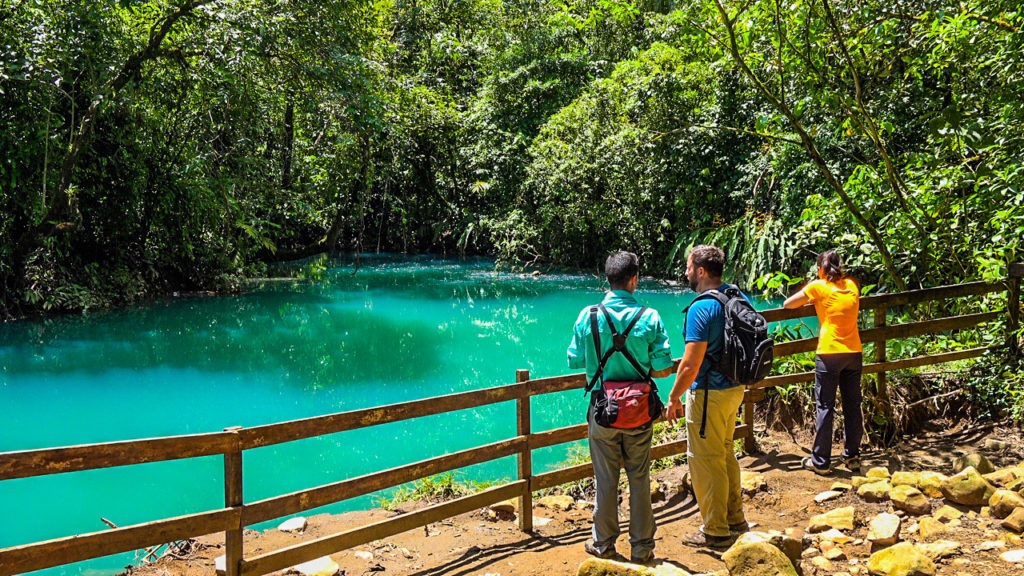
Introduction: A Conscious Shift in the Way We Explore
As the modern world grapples with the urgent realities of climate change, biodiversity loss, and cultural homogenization, the way we travel is undergoing a critical transformation. Traditional tourism, long fueled by convenience and consumerism, is slowly giving way to a more mindful and purposeful model—eco-tourism.
Eco-tourism isn’t merely a niche within the travel industry; it’s a philosophy rooted in respect, awareness, and stewardship. It represents a profound shift from travel as consumption to travel as connection—with nature, with communities, and with ourselves.
Defining Eco-Tourism: More Than Just ‘Green’ Travel
At its essence, eco-tourism is responsible travel to natural areas that conserves the environment, sustains local communities, and fosters education. It’s not about rustic accommodation or avoiding cities—it’s about how you engage with the places you visit. The experience is immersive, meaningful, and rooted in sustainability rather than spectacle.
This form of tourism is characterized by:
-
Minimized environmental impact
-
Respect for local cultures and traditions
-
Support for conservation efforts
-
Educational opportunities for both visitors and hosts
Eco-tourism encourages travelers to slow down and see travel not as an escape from life but as a deeper engagement with it.
Core Principles That Guide Eco-Tourism
To truly understand eco-tourism, one must look beyond marketing claims and examine the foundational principles that guide it:
1. Environmental Responsibility
The natural world is both the destination and the host. Eco-tourism practices include:
-
Using eco-friendly modes of transport (where possible)
-
Staying in accommodations that utilize renewable energy and minimize waste
-
Participating in conservation-oriented tours or activities
2. Cultural Sensitivity and Engagement
Eco-tourism values local knowledge and traditions. It encourages travelers to:
-
Learn about and respect local customs and belief systems
-
Support artisans, local guides, and family-run businesses
-
Engage in meaningful cultural exchanges rather than passive observation
3. Community Empowerment
A core tenet of eco-tourism is economic inclusion. It ensures that tourism revenue benefits those who live in and steward the destination. This includes:
-
Employing local guides and staff
-
Investing in community-based tourism initiatives
-
Funding infrastructure, education, and conservation efforts through tourism
4. Educational Enrichment
Eco-tourism isn’t just about where you go, but what you learn along the way. It transforms travelers into informed participants, helping them understand:
-
The fragility and value of ecosystems
-
The interconnectedness of human and environmental health
-
The importance of cultural heritage and language preservation
Eco-Tourism in Action: Destinations Leading by Example
Some countries and regions have successfully embraced eco-tourism as a national ethos, offering compelling examples of what’s possible when travel and sustainability walk hand in hand.
Costa Rica
With more than a quarter of its territory designated as protected land, Costa Rica is an eco-tourism powerhouse. Its rainforests, volcanoes, and coastlines host sustainable lodges, conservation projects, and wildlife sanctuaries that draw travelers eager to experience nature without harming it.
New Zealand
From fjords to geothermal wonders, New Zealand has leveraged its pristine landscapes into a robust eco-tourism framework. Guided hikes, wildlife tours, and Maori cultural experiences are carefully managed to protect the environment and benefit local communities.
Norway
Norway combines innovation and preservation through electric ferries, carbon-neutral buildings, and minimal-impact hiking trails. Its model of Arctic tourism is a benchmark in balancing access with conservation.
Bhutan
This Himalayan kingdom caps visitor numbers and imposes a daily fee to ensure tourism doesn’t overwhelm its cultural and environmental resources. Visitors get a rare, authentic glimpse of a society that measures success by Gross National Happiness—not GDP.
Becoming a Responsible Eco-Tourist: Tips for the Thoughtful Traveler
Anyone can embrace eco-tourism by making conscious choices before and during their journey. Here’s how:
✔ Do Your Research
-
Choose eco-certified accommodations and tour operators
-
Look for transparency in sustainability practices
-
Verify that profits are reinvested into local communities
✔ Travel Lightly
-
Pack reusable items (bottles, utensils, shopping bags)
-
Use eco-friendly toiletries
-
Avoid single-use plastics whenever possible
✔ Offset Your Carbon Emissions
-
Select direct flights to reduce emissions
-
Use carbon offset programs that invest in credible reforestation or renewable energy projects
✔ Respect the Culture and Environment
-
Dress modestly where appropriate
-
Learn a few local words and phrases
-
Stay on marked paths and avoid disturbing wildlife
✔ Support Local Economies
-
Eat at locally owned restaurants
-
Purchase hand-crafted souvenirs instead of mass-produced goods
-
Tip guides and staff fairly
The Pitfalls of ‘Greenwashing’ and Over-Tourism
As eco-tourism grows in popularity, so does the risk of greenwashing—when companies use sustainability as a marketing tool without making real commitments. It’s essential for travelers to stay discerning. A “green” label doesn’t guarantee ethical practice.
Over-tourism is another challenge. Even destinations designed around eco-tourism can be harmed when visitor numbers exceed what ecosystems or communities can bear. Responsible tourism requires balance—sometimes, that means choosing less-visited alternatives or traveling in the off-season.
From Sustainable to Regenerative: The Next Evolution
Eco-tourism is evolving into regenerative travel, a philosophy that seeks to restore and renew the places we visit. While sustainability aims to do no harm, regeneration actively seeks to improve.
This might include:
-
Participating in habitat restoration projects
-
Supporting indigenous-led tourism initiatives
-
Engaging in long-term partnerships between travelers and communities
Regenerative travel suggests that tourism, done right, can be a force for healing—socially, culturally, and environmentally.
Conclusion: A Journey That Leaves a Legacy
Eco-tourism is not about foregoing luxury or adventure—it’s about rethinking what those terms truly mean. It invites travelers to seek richness not in material comfort, but in meaningful experience; not in excess, but in connection. It asks us to be present, to be mindful, and to give as much as we receive.
As we stand at the crossroads of environmental crisis and cultural erosion, the way we choose to travel matters more than ever. Eco-tourism offers us not just a path forward, but a path home—to a world where travel uplifts, restores, and respects.
In the end, the most memorable journeys are not those that leave marks on a map, but those that leave none at all—only memories, lessons, and a lighter footprint on the Earth.


